

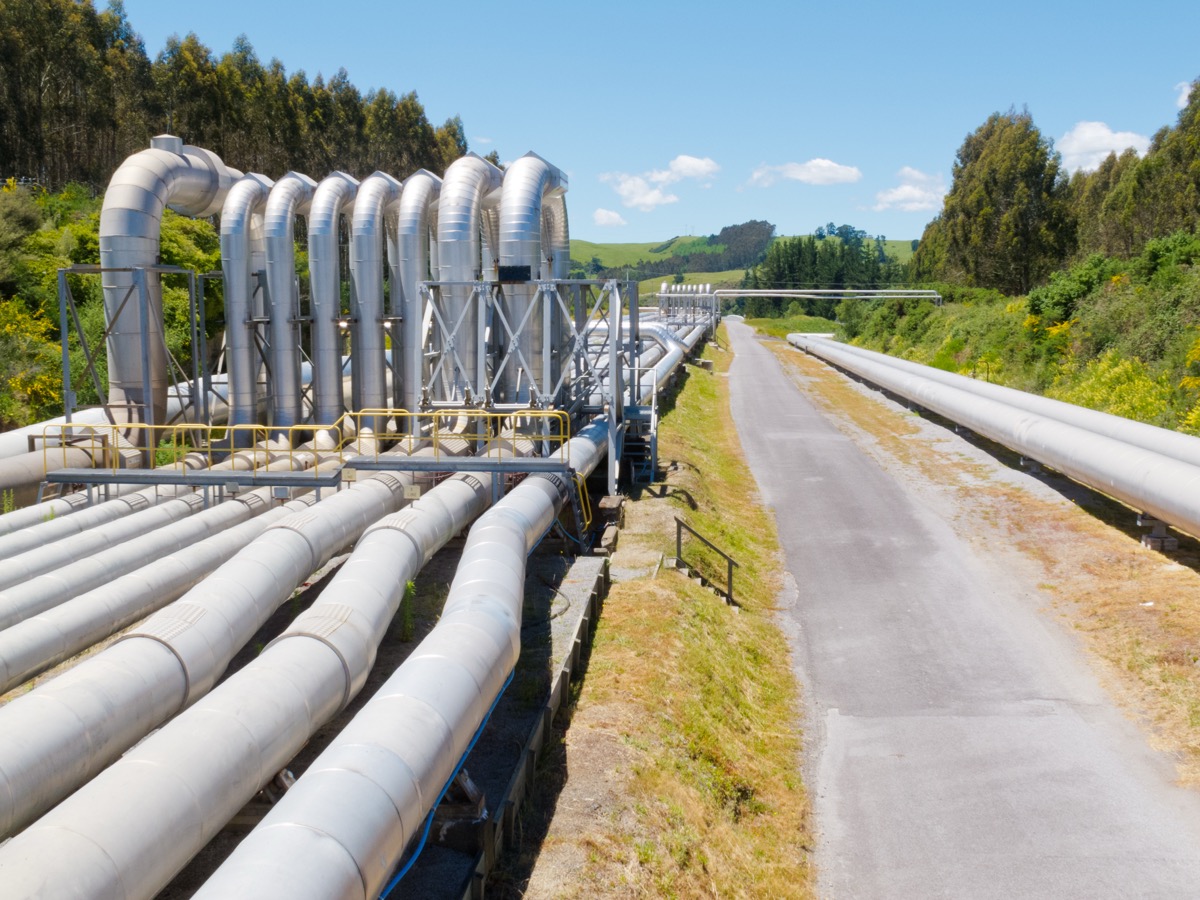
Liquefied Natural Gas (LNG) is stored and transported at approximately -162 degrees Celsius. At these extreme temperatures, conventional insulation materials face significant challenges including ice formation, moisture ingress, and thermal bridging.
The Cryogenic Challenge
Traditional insulation systems for LNG pipelines often require multiple layers, vapor barriers, and jacketing systems. These complex assemblies are expensive to install, difficult to maintain, and prone to failure at joints and penetrations where moisture can enter.
Aerogel Advantage
Cryogenic aerogel insulation like Thermhik CT delivers exceptional performance at temperatures down to -200 degrees Celsius. With a thermal conductivity as low as 0.014 W/mK at cryogenic temperatures, it provides superior insulation in a single, thin layer.
Corrosion Prevention
One of the most significant benefits of aerogel for cryogenic applications is its hydrophobic nature. By preventing moisture from reaching the pipe surface, aerogel eliminates the primary cause of corrosion under insulation, which costs the LNG industry billions annually.
Installation Efficiency
The flexible sheet format of modern aerogel insulation simplifies installation on complex piping geometries. Fewer layers mean faster installation, reduced labor costs, and fewer potential failure points in the insulation system.